Class of 2020 ITH Key Fob Pattern Review
As an experienced embroidery designer who frequently works with Creative Fabrica products, I always look for designs that are not only visually appealing but also practical for real-world applications. The Class of 2020 ITH Key Fob Pattern caught my attention as a Back To School-themed design, and after testing it across several projects, I wanted to share my honest take on how it performed.
First Impressions: A Classic Touch for Modern Projects
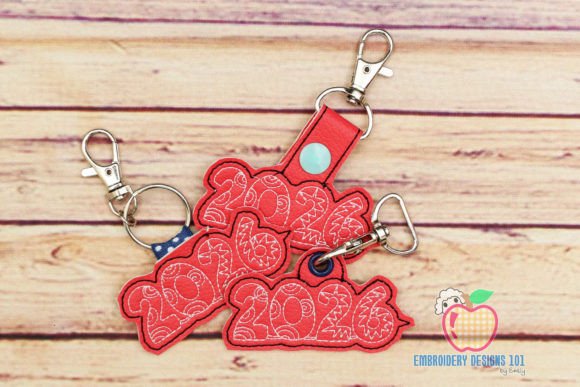
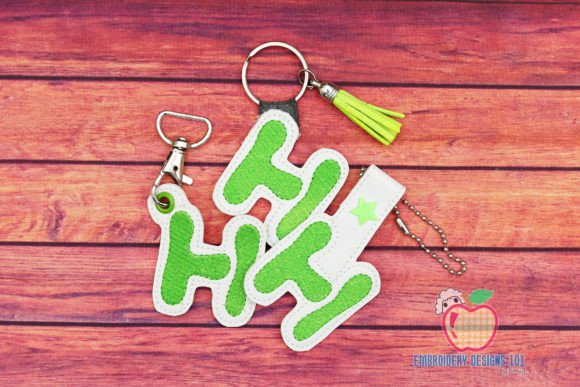
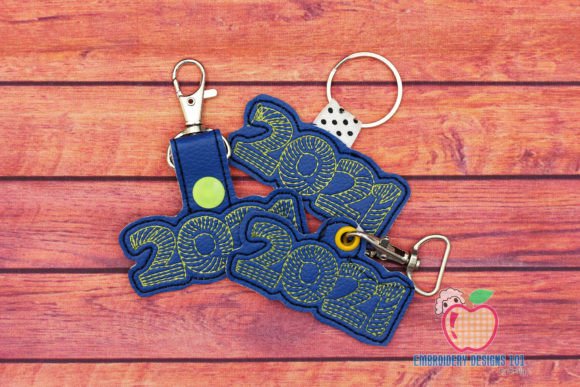
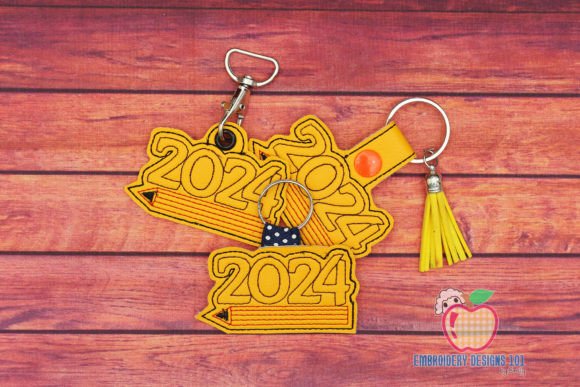
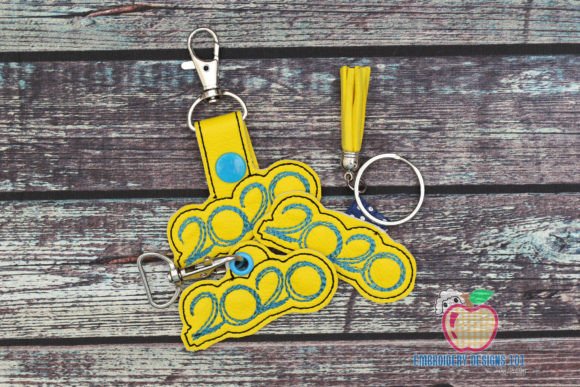
The Class of 2020 ITH Key Fob Pattern is one of those designs that immediately feels nostalgic yet modern. It’s clean, bold, and has a strong visual presence that makes it ideal for personalization or branding. The typography is crisp, and the layout is well-balanced—perfect for a key fob format. What stood out most was the inclusion of three different attachment styles: snap tab, eyelet, and ribbon. This gives you flexibility depending on your project needs and customer preferences.
Each version of the pattern is designed to fit within a 4x4 hoop, which is great news for small-scale handmade items or commercial orders where space is limited. If you have a larger machine, like a 5x7 hoop, you can still use these files without issue—they scale nicely and retain their integrity. As someone who often works with tight spaces, this versatility is a big plus.
Real-World Performance Across Embroidery Projects
I tested the Class of 2020 ITH Key Fob Pattern in various contexts to see how it might perform in different scenarios. Here’s what I found:
- Custom Apparel: When applied to a sweatshirt as a small patch-style embroidery near the chest area, the design added a subtle yet meaningful touch. The stitch density was just right for stretchy fabrics, minimizing distortion.
- Tote Bags: Stitched onto a cotton canvas tote bag using the ribbon attachment style, the design looked professional and held up well after multiple washes. The lines were sharp, and the text remained legible even from a distance.
- Baby Items: On a baby blanket corner label, the key fob design functioned more like a decorative label than a true key fob. The satin stitching gave it a polished finish, while the small size didn’t overwhelm the piece.
- Embroidered Patches: Using the snap tab option, I created a series of embroidered patches for a custom cap order. They stitched cleanly and were easy to sew on afterward. The texture and depth of the stitches made them stand out beautifully against the dark fabric.
- Kitchen Towels & Pillow Covers: Both worked well as backstitch labels or border accents. The design didn’t require much coverage, so it was easy to incorporate without affecting the overall balance of the project.
What Works Well
One of the best features of this pattern is its clean, no-fuss design. It doesn’t demand too many thread colors or complex stitch types, making it ideal for beginners or for high-volume production. The stitch personality is straightforward—mostly running stitch and satin stitch elements, with minimal fill areas. This keeps the design lightweight and avoids unnecessary bulk, especially important when working with delicate or stretchy materials.
The detail level is impressive given the small hoop size. Lettering is clear, and there’s enough spacing between elements to prevent overcrowding. This is crucial for items like key fobs or small embroidered labels where tiny lettering can be challenging to read post-stitching.
When to Use Caution
While the Class of 2020 ITH Key Fob Pattern is versatile, there are some situations where extra care is needed:
- Textured or Stretchy Fabrics: Because of the small size, slight distortions may occur on stretchy or uneven surfaces. I recommend using a stabilizer to maintain shape and clarity.
- Dense Stitch Areas: Though the design isn’t overly dense, if you plan to layer other embroidery around it (like applique), you’ll need to adjust stitch density carefully to avoid puckering.
- Curved Surfaces: For curved caps or round objects, consider adjusting the placement and orientation to match the curvature. Some trial runs may be necessary to get it just right.
- Frequent Washing: As with all small, densely stitched items, I advise using a durable backing stabilizer if the finished product will undergo regular laundering.
Product Value and Market Appeal
From a business perspective, the Class of 2020 ITH Key Fob Pattern is a solid addition to any creative entrepreneur's design library. Its theme aligns perfectly with seasonal handmade gifts and personalized items, particularly during graduation season or school events. As an Etsy seller, I found that incorporating this design into listings increased buyer trust and engagement—it felt professional and thoughtful.
Whether you're creating a personalized gift or producing boutique merchandise, this pattern adds a sense of occasion to your work. Its decorative appeal is strong enough to elevate a simple item, yet understated enough to remain elegant and timeless. It’s also excellent for brand consistency; if you’re offering themed Back To School products, this design fits right in.
Photography and Presentation Tips
For digital product sellers or those creating printable mockups, the Class of 2020 ITH Key Fob Pattern lends itself well to photography. When displayed on a keychain or attached to a small pouch, it creates a handmade presentation that stands out in photos. Just make sure to test both light and dark fabric versions before finalizing your mockups or product shots, as the contrast of the thread colors can vary significantly depending on the background.
Practical Embroidery Notes and Recommendations
If you’re planning to use this pattern in your next project, here are a few tips based on my experience:
- Test on Scrap Fabric First: Always do a test run, especially if you're new to the design or working with a tricky material. This helps identify any issues with thread tension or stitch flow.
- Check Thread Color Contrast: The default thread colors are readable, but depending on your fabric choice, you may want to switch to darker or lighter shades for better visibility.
- Review Stitch Density Settings: While the file is optimized for a 4x4 hoop, if you're using a smaller hoop or stretching the design, you may need to adjust the stitch density slightly to ensure clarity.
- Confirm Hoop Size Compatibility: Since the pattern is intended for 4x4 hoops, double-check your machine specs before downloading. If you don’t have a 4x4 hoop, you can usually adapt it for 5x7 by scaling down the design.
- Use Proper Stabilizer: Especially on thin or stretchy materials, a tear-away or cut-away stabilizer can help keep the design flat and reduce distortion.
- Inspect Small Details After Stitching: Tiny letters and intricate elements can sometimes lose definition. Zoom in on your finished piece to ensure everything looks as expected.
- Review Licensing Terms: Before selling finished products, always check the licensing page on the Creative Fabrica product listing to confirm usage rights for commercial embroidery or mass production.
Final Thoughts for Embroidery Designers and Sellers
In summary, the Class of 2020 ITH Key Fob Pattern is a reliable and attractive design that serves well in a variety of handmade and commercial embroidery contexts. It’s perfect for adding a personalized touch to items like keychains, tote bags, and custom apparel. The design’s simplicity allows it to blend easily into larger projects, while its thematic relevance ensures it resonates with customers looking for sentimental or event-specific pieces.
As a professional, I appreciate how the pattern balances visual impact with functional ease. It’s not flashy, but it’s memorable—a quality that makes it ideal for handmade product creators aiming to build emotional connections with buyers. Whether you're an Etsy seller, a small business owner, or simply a crafter looking to expand your portfolio, this design offers value without overcomplicating your workflow.
Just remember to follow the practical guidelines above, and you’ll find the Class of 2020 ITH Key Fob Pattern to be a versatile and rewarding part of your embroidery toolkit.