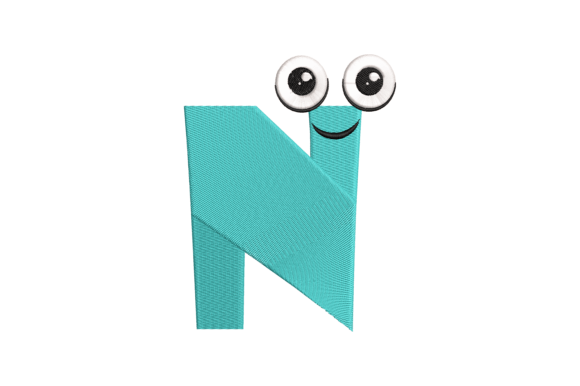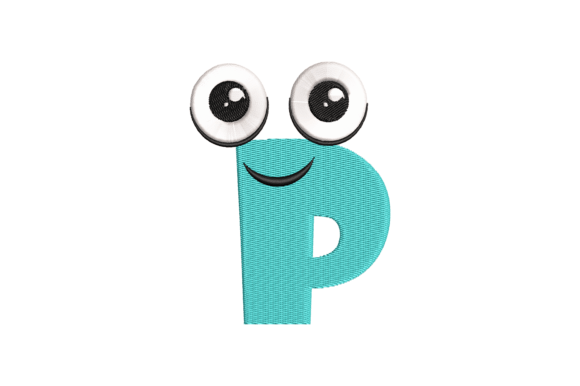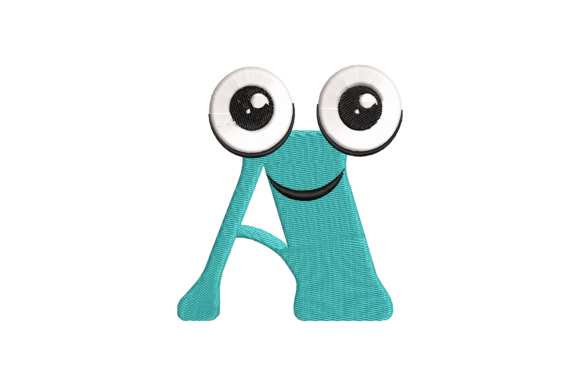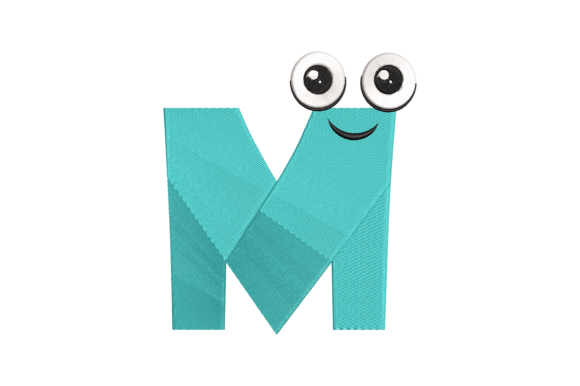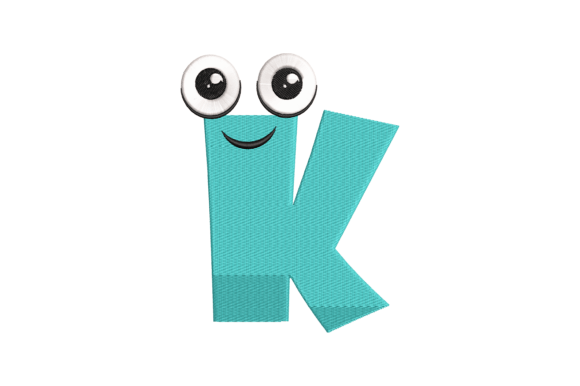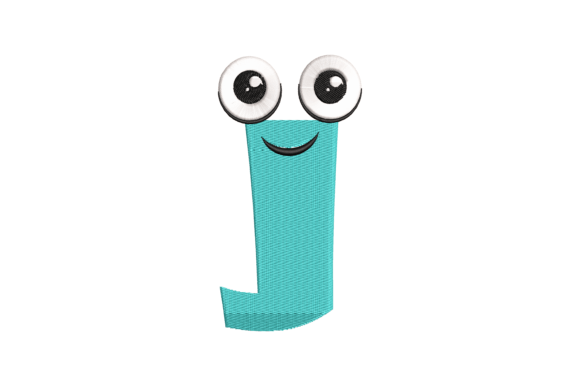
Funny Letter J Embroidery Design Review for Real Projects
First Impressions: Adorable and Versatile
As an experienced embroidery designer, I always start with the visual impact of a design. Funny Letter J caught my eye immediately with its adorable charm and whimsical character. The design has a playful yet clean aesthetic that makes it stand out from more traditional lettering options. It’s not just a simple alphabet letter; it feels like a small work of art with subtle curves and a unique personality. What really stood out to me was how well the stitch layout complements the fun shape of the letter. The use of satin stitch along the main outlines gives it a polished look, while the fill stitch in the center adds dimension without being too busy. This balance is key when considering how the design will perform on different fabrics and surfaces.Real-World Applications for Creative Fabrica Users
- Tote bag design: The bold lines and minimal detail make it perfect for cotton or canvas tote bags. It holds up well even after multiple washes.
- Sweatshirt embroidery: On both dark and light-colored fleece, the design maintained good visibility, especially when using contrasting thread colors.
- Baby items: From onesies to baby blankets, this design feels gentle and cheerful—ideal for nursery decor or personalized gifts.
- Caps and patches: When resized for smaller applications, the humor and clarity of the letter remained intact. It worked beautifully as an embroidered patch for a child’s backpack.
- Aprons and pillow covers: The design added a charming touch to everyday household items. It looked especially cute stitched onto linen or burlap aprons.
Performance in Different Conditions
Small hoop sizes: The design works well in tighter spaces if you adjust the scale carefully. However, keep in mind that reducing it too much may affect the readability of the “J.” Always test on scrap fabric before finalizing a project.
Dense stitch areas: The central fill area is moderately dense but not overly so. It won’t strain most machines unless you’re using very thick threads or stitching on delicate material. For best results, review stitch density settings based on your machine and fabric type.
Stretchy or textured fabric: I tested it on stretchy knit and found that using a stabilizer behind the fabric helped maintain the shape and prevent distortion. On textured surfaces like felt or denim, the design held up nicely with only minor adjustments needed.
Dark fabric compatibility: Since the product description doesn’t specify thread color variations, I recommend checking the thread color contrast against your chosen background. Darker fabrics benefit from bright white or pastel thread colors to highlight the design’s details.
Curved surfaces (like caps): Resizing the design for curved cap embroidery was straightforward. The soft curves of the letter naturally follow the contour of the cap without warping or losing their charm.
Enhancing Product Value and Brand Consistency
In the world of handmade products and custom apparel, the right embroidery design can significantly boost perceived value. Funny Letter J contributes to a handmade presentation by adding a sense of individuality and playfulness. Whether used in a Back To School-themed project or a general personalized gift, it brings a smile to both the maker and the recipient.Practical Tips for Using Funny Letter J
- Test on scrap fabric: Especially important if you're resizing the design or working with unusual materials.
- Check thread color contrast: Make sure the design pops against your base fabric. Light-colored versions might not show up well on darker backgrounds.
- Review stitch density: Adjust settings depending on fabric thickness and desired texture. Too tight and it risks puckering; too loose and it loses definition.
- Confirm hoop size: While the design adapts well, verify whether your hoop can accommodate it at the intended size without compromising quality.
- Compare light and dark fabric mockups: This helps in planning the final look and ensuring customer satisfaction.
- Use proper stabilizer: Especially on stretchy or thin materials, stabilizers prevent shifting and enhance stitch integrity.
- Inspect small details after stitching: Look closely at the inner loops and corners to ensure they didn’t get lost during the process.
- Confirm file details and licensing: Always check the Creative Fabrica product page for specifics like file formats, recommended machine types, and terms of use before incorporating the design into finished products or resale items.