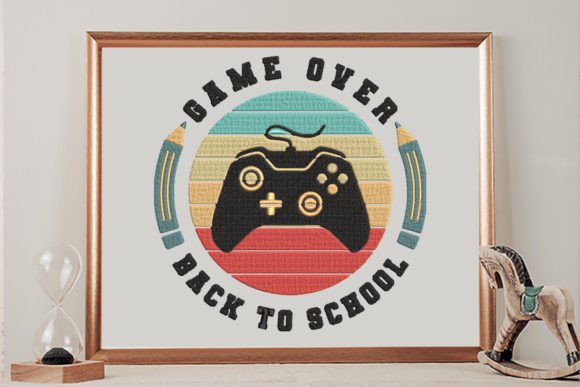
Game Over, Back to School Embroidery Design Review
First Impressions: A Fun and Whimsical Statement
As an experienced embroidery designer with years of booth prep under my belt, I always start by evaluating a design's first impression. When I read the title "Game over, Back to School", it immediately caught my eye for its clever play on words. The description promises a "cool" and "fun and whimsical" addition to fabrics, which makes me think this is a design that leans into humor and nostalgia—two powerful elements in the handmade market.Where This Design Shines at Craft Fairs
- Tote bags: A large embroidered patch or central placement on a canvas tote will catch attention from across the room. The phrase itself suggests a return to routine after summer fun, resonating with parents and students alike.
- Aprons: A smaller version placed near the pocket area adds personality without overwhelming the design. Ideal for adding a touch of humor to kitchen or gardening aprons.
- Tea towels: These are a staple at fairs, and a bright, whimsical embroidery can elevate them from basic to boutique. Make sure thread colors pop against the fabric.
- Fabric pouches and small gift items: The design works especially well as an accent on pouches, pencil cases, or even backpack organizers. Keep the scale proportional to the item size.
- Pillow covers: A decorative pillow with this phrase stitched in a fun font can become a conversation starter, especially if paired with other educational-themed designs.
- Embroidered patches: Perfect for resale or customization. They add character to denim jackets, backpacks, or even school uniforms when sized correctly.
- Caps: Curved surfaces can be tricky, so careful planning is needed. Placing the design slightly off-center often looks more dynamic and avoids distortion.
Practical Considerations for Production
Design Clarity: Based on the title and description, this design appears to have text as a core element. If there's small lettering involved, it's crucial to test how legible it remains after being stitched onto various materials. Dense stitch areas should also be inspected closely to ensure they don’t cause puckering or stiffness, especially on stretchy or textured fabrics like towels or t-shirts.
Photography Appeal: For online listings or printable mockups, the design needs to photograph well. Look for high-contrast thread colors and avoid placing it too close to fabric edges or folds. On dark fabrics, consider using light-colored threads or metallic accents to make the design stand out.
Batch Production Readiness: If you're considering commercial embroidery production, check whether the design allows for consistent results across multiple hoop sizes and fabric types. Designs that rely heavily on tiny details or intricate spacing may require more precision and time, which can affect your pricing and margins.
Designer Tips for Maximum Impact
- Test on scrap fabric: Always try the design on a few different materials before committing to a full batch. Fabric texture and weave can dramatically alter the final look.
- Check thread contrast: Especially if you're planning to use it on darker or patterned backgrounds. Use a light stabilizer to prevent shadowing and ensure clean lines.
- Review spacing and sizing: Ensure the design isn't too cramped, particularly if it contains small lettering. A little breathing room around the design improves readability and visual appeal.
- Confirm hoop size: Larger designs may need bigger hoops. Make sure your hoop size matches the recommended dimensions of the embroidery file to avoid stretching or misalignment.
- Inspect stitch density: Dense stitch areas can lead to bulkiness or difficulty turning corners smoothly. If the design has complex fill patterns or borders, test how they behave on the fabric.
- Use the right stabilizer: Depending on the fabric type, choose between cut-away, wash-away, or tear-away stabilizers. Stabilizer choice affects the quality and durability of the final product.
- Create a real mockup: Before listing your design as a tote bag design or apron embroidery, stitch one sample and photograph it from all angles. This gives customers a realistic view and helps you spot any issues early.
- Compare fabric colors: Some fabrics absorb thread differently than others. Stitch the same design on three or four different color bases to understand how it changes visually.
- Confirm commercial licensing: If you're selling finished products or reselling the digital embroidery file, always verify the license terms. You want to protect yourself and your business from legal pitfalls.